What is Felony Disenfranchisement?

Felony Disenfranchisement is the suspension of voting rights upon a criminal conviction. Each state is responsible for designing its own policy regarding the voting rights of formerly incarcerated citizens. These policies display a great deal of variation. Two states – Maine and Vermont – place no restrictions on the voting rights of people who have been convicted of a felony, even allowing them to vote from prison. Alabama is one of 11 states that implement the strictest version of U.S. disenfranchisement policies by restricting the right to vote not only during probation or parole, but for many people disenfranchisement can continue indefinitely, even after all aspects of the sentence have been completed.

The following resources provide important information concerning the state of felon disenfranchisement laws in Alabama and the rest of the United States.
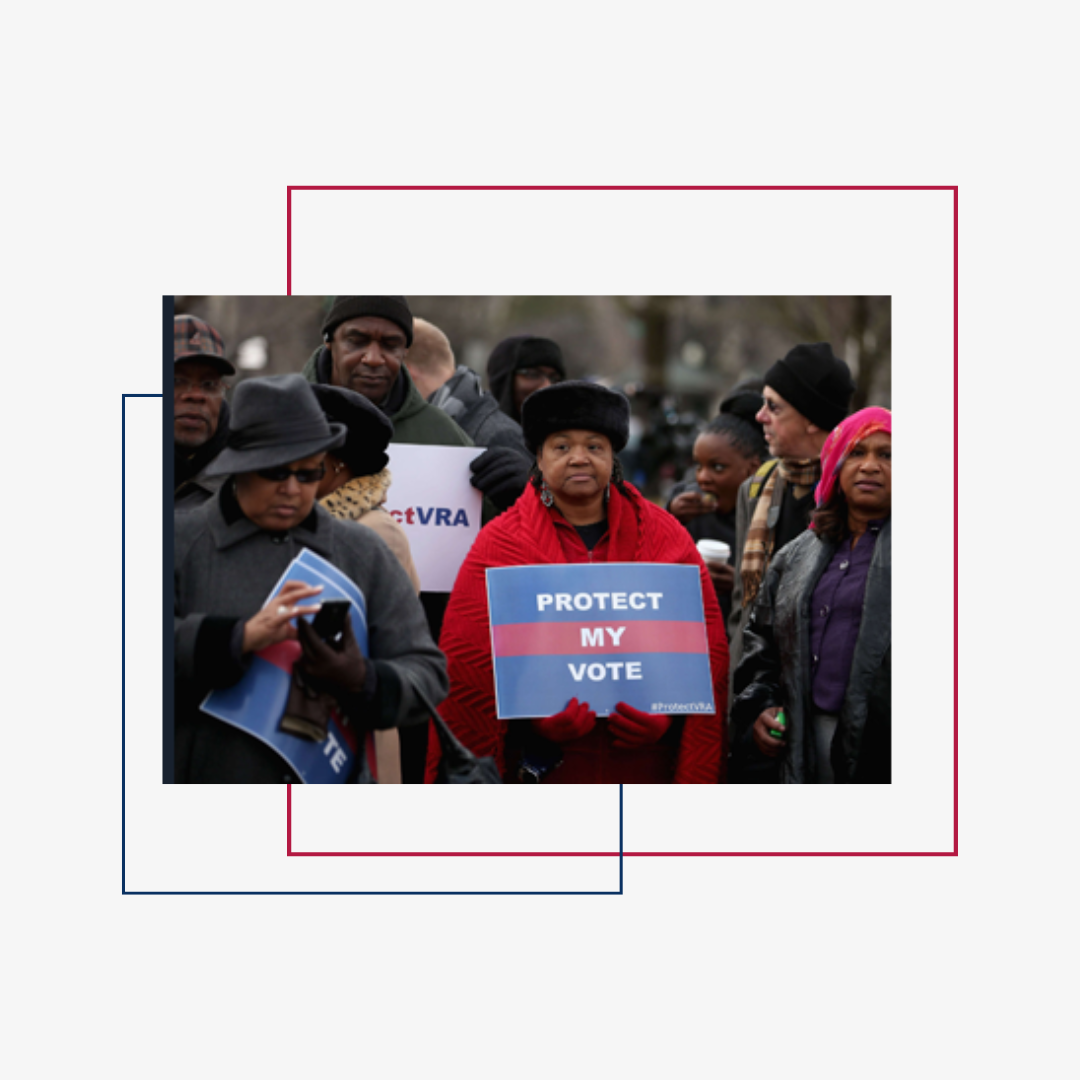
The Racist Roots and Glaring Impact of Felony Disenfranchisement Laws

Felony disenfranchisement laws have always existed in one form or another in this country, but they were expanded and enforced more broadly after the end of slavery in the 19th century and the passage of the 15th Amendment which expanded voting rights to African American men. Erin Kelly of the Brennan Center fo Justice documents the racist origins of felony disenfranchisement in her report “Racism & Felony Disenfranchisement: An Intertwined History.” 

The Sentencing Project has recently (2024) estimated that approximately 4 million Americans are ineligible to vote due to a past felony conviction. In “Locked Out – 2024” the organization reports that 227,437 Alabamians are currently disenfranchised due to a felony conviction, and this represents approximately 6 percent of the voting age population. The disenfranchisement rate for African Americans is a quarter more, at 8 percent.

 The Compounding Effect of Legal Financial Obligations 

In Alabama, many citizens are ineligible to vote due to a past felony conviction, even though they have completed their sentence, simply because they have outstanding fines or fees imposed due to their conviction. These “legal financial obligations,” as they are called, are often excessive and have detrimental consequences that go well beyond the inability to vote.

Just prior to the pandemic in 2019, Alabama Appleseed released a groundbreaking report titled “Under Pressure” which thoroughly documents the impact of LFO’s on citizens throughout the state. Researchers Marc Meredith and Michael Morse from the University of Pennsylvania recently published a scientific paper in the Journal of Legal Studies which further analyzes the impact of LFO’s on voting rights in Alabama based on data from the Alabama Department of Corrections and State Board of Pardons and Parole. The paper is titled “Discretionary Disenfranchisement: The Case of Legal Financial Obligations.” 

State Reform Efforts

Over the last two decades, 23 states have expanded voting rights for formerly incarcerated people. In “Expanding the Vote: Two Decades of Felony Disenfranchisement Reforms,” researchers at the Sentencing Project have compiled a list of all major policy actions by states in this area since 1997. The Brennan Center also tracks current reform efforts across the states in their report “State Reform Project.”

However, not all changes move in the positive direction. In the 2024 legislative session, Alabama passed a law expanding the list of felonies which disenfranchise a citizen from about 40 to over 120. Read more about House Bill 100 here.

Interested in Return My Vote’s contributions to the study of felony disenfranchisement? Check out our research reports here!